A Dream Takes Root: Our New Natural Playground

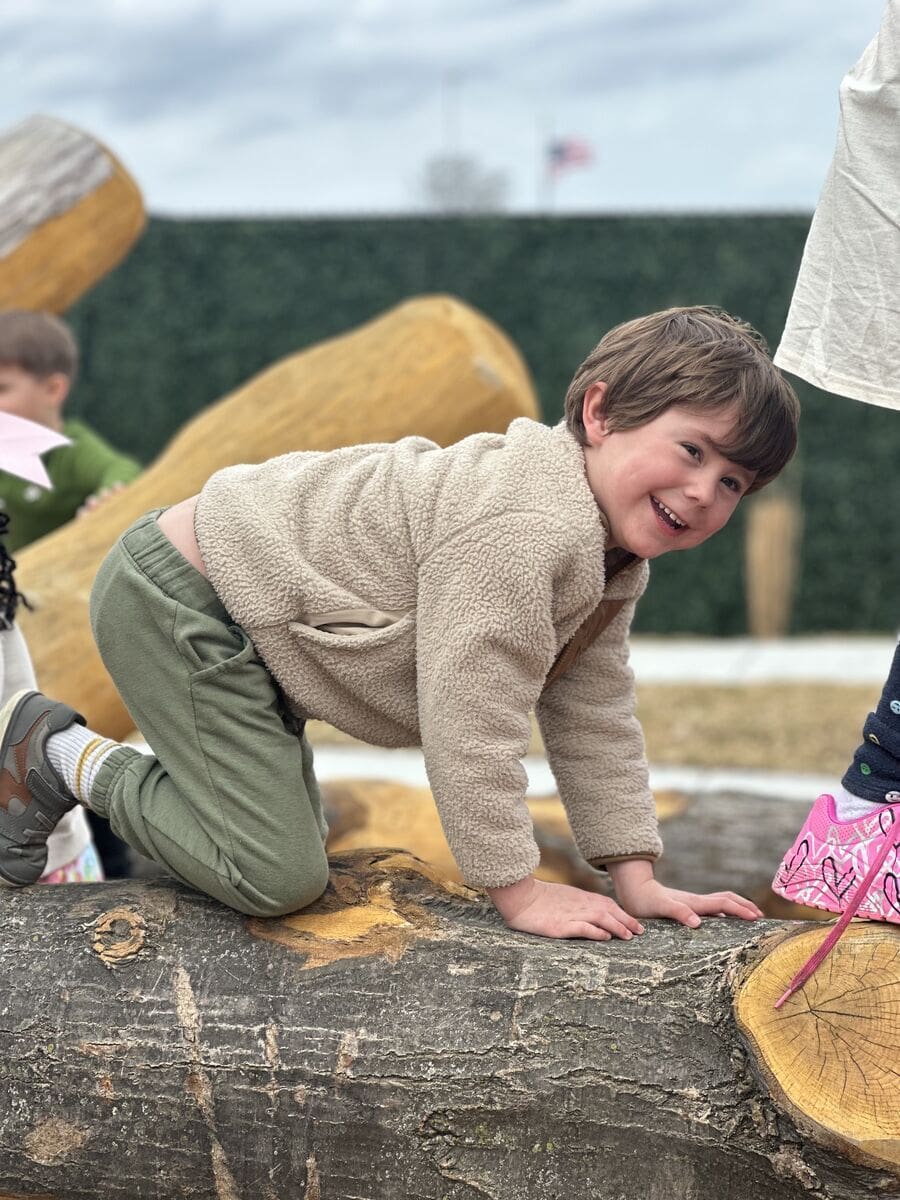
A boy playing outside in Strelitz academy

I’m sure many of you have seen the photos of our new natural playground and the many ways your children have already begun exploring it. We officially opened the space in mid-February, and since then, it has been filled with laughter, curiosity, and discovery. Every day, we see smiling faces and hear wonderful stories from our students about their adventures outdoors. Whether they are climbing, swinging, pumping water through the water path and into the beach area, or simply exploring the space with friends, this new playground has quickly become a place where every child can find something exciting to engage in. We are especially grateful to the United Jewish Federation of Tidewater and the Sandler Family Campus for their partnership and support in bringing this beautiful new playground to fruition.

Our new playground was thoughtfully designed as a natural learning environment, created to spark curiosity, encourage exploration, and support meaningful play. Rather than filling the space with highly structured equipment, in collaboration with Bienstock Natural Playground Company based in Ontario, Canada, we intentionally created a setting that invites children to engage with nature, use their imaginations, and interact with the environment in countless ways.

Natural playgrounds offer children opportunities to explore, experiment, and learn through hands-on experiences. Every rock, tree, stream, and open space becomes part of a child’s adventure, allowing the playground to feel new and exciting each day.

Why Natural Play Matters 

A girl playing outdoor activities in strelitz international

In spaces like these, children naturally begin to: interpret in imaginative ways, create games and stories, take appropriate risks to build confidence, work together, negotiate ideas, explore, experiment, develop empathy, and problem-solve.  Because the materials can be used in many different ways, children are constantly thinking, adapting, and discovering. The same space can transform into something entirely new depending on the ideas and creativity of the children playing there.

A Playground Full of Possibilities

Our playground offers a variety of features designed to inspire exploration, creativity, and connection with nature.

SIA students can discover rock caves that invite hiding, problem-solving, and dramatic play.  Our fairy tree houses create opportunities for storytelling, imagination, and social connection. Slides, swings, and climbing structures allow children to challenge their bodies and build strength and confidence.

For sensory exploration and creative expression, children can enjoy the mud kitchen and outdoor easels, where mixing, pouring, painting, and experimenting are all part of the fun. Natural elements such as streams, rocks, shrubs, and trees encourage investigation, observation, and even early engineering as children build, move water, and explore their surroundings.

These experiences invite children to touch, climb, build, pour, imagine, and collaborate, which are all essential parts of whole-child development.

The Benefits of Outdoor and Nature-Based Play

Research consistently shows that natural play environments support children’s physical, social, and emotional growth. When children are given opportunities to explore their environment and take safe, manageable risks, they develop a deeper understanding of their abilities and a stronger sense of independence. Time spent in nature-based settings is linked to things such as lower anxiety, improved emotional regulation, increased resilience and confidence, and stronger empathy.

A Space for Curiosity, Creativity, and Growth

Our playground is more than just a place to play; it is a living, evolving learning environment where children can explore the natural world, build friendships, test their ideas, and develop confidence.

Each day brings new discoveries, new adventures, and new opportunities for children to learn through the joy of play. Schedule a visit to know more about all these.

How You Can Help Prepare Your Child for Group Care, Camp, or School

Teacher Reading to Preschoolers

Summary

Preparing your child for a new school routine starts with small steps at home. Resetting daily habits, practicing independence, and talking about feelings can help children feel confident, comfortable, and ready for new experiences.

Building Confidence Before the Transition

Returning to school or group care after time away can feel exciting and challenging for children and families. The best way to help your child adjust is to reset familiar routines, rebuild confidence, and create positive conversations about what to expect. Simple steps like adjusting sleep schedules, practicing independence, talking about feelings, and reconnecting with daily routines can make the transition smoother.

Key Takeaways

  • A consistent routine helps children feel secure and prepared for school.
  • Practicing everyday skills before the first day builds confidence and independence.
  • Open conversations help children understand and manage their emotions.
  • Parents can make transitions easier by creating positive expectations around learning and friendships.
  • A supportive school community helps children feel connected and ready to grow.

Helping Your Child Feel Ready for a New School Routine

Transitions are a normal part of childhood. Whether your child is starting school for the first time, moving into a new classroom, or returning after a long break, preparation can help them feel more comfortable.

Children often adjust better when they know what to expect. Before school begins, families can talk about daily routines, classroom activities, meeting teachers, making friends, and trying new experiences.

Parents play an important role in creating confidence. Children often take emotional cues from the adults around them, so approaching the transition with encouragement and positivity can help your child feel safe and excited.

How Do I Ease Separation Anxiety After Time Away From School?

Separation anxiety is a common experience for young children, especially after spending extended time at home with family. A child who feels nervous about separating does not necessarily dislike school. They may simply need time to rebuild confidence with the transition.

Here are ways families can support children experiencing separation anxiety:

Practice Short Separations

Gradually creating opportunities for your child to spend time away from familiar caregivers can help them build confidence. Visits with relatives, playdates, or short activities with trusted adults can make longer separations feel easier.

Create a Consistent Goodbye Routine

A predictable goodbye can help children know what to expect. Keep goodbyes warm, positive, and consistent rather than extending the moment.

Examples:

  • A special goodbye phrase
  • A hug or high-five
  • A reminder about when you will return

Talk About Feelings

Encourage your child to share how they feel about returning to school. Let them know that feeling nervous, excited, or unsure is normal.

You can ask:

  • “What are you most excited about?”
  • “Is there anything you are wondering about?”
  • “What can we do to help you feel ready?”

Focus on the Positive Experiences Ahead

Help your child think about the enjoyable parts of school:

  • Seeing friends
  • Meeting teachers
  • Exploring activities
  • Learning something new

Routine Reset Checklist Before School Starts

A few simple adjustments before the school year begins can help children transition more comfortably.

Sleep Routine

☐ Gradually return to a consistent bedtime and wake-up schedule
☐ Create a calming bedtime routine
☐ Reduce stimulating activities before sleep

Daily Independence Skills

☐ Practice getting dressed independently
☐ Organize backpacks and personal belongings
☐ Practice cleaning up after activities
☐ Encourage children to communicate their needs

Conversation Starters

☐ “What are you looking forward to this year?”
☐ “What questions do you have about your classroom?”
☐ “What can you do if you need help?”
☐ “What makes you feel confident?”

Immune System Basics

☐ Encourage balanced meals and snacks
☐ Make sure your child stays hydrated
☐ Include daily movement and active play
☐ Support healthy sleep habits

Practice Healthy Habits and Classroom Skills

Teacher and kids in outdoor group care circle in IB School.

Young children gain confidence when they know how to participate in classroom routines and care for themselves.

Families can practice:

  • Washing hands properly
  • Covering coughs and sneezes
  • Taking turns
  • Sharing materials
  • Listening and responding to teachers
  • Asking questions when they need help

These skills support children as they become independent learners and thoughtful members of their classroom community.

Support Your Child’s Emotional and Social Growth

School is about more than academics. Children also learn how to build friendships, solve problems, express emotions, and work with others.

Parents can support these skills by:

  • Encouraging children to talk about their day
  • Celebrating effort and progress
  • Helping them practice problem-solving
  • Encouraging kindness and respect for others

At Strelitz International Academy, children learn in a nurturing environment that emphasizes curiosity, community, critical thinking, and whole-child development. The school’s International Baccalaureate® Primary Years Programme (PYP) approach encourages students to explore ideas, ask questions, and become lifelong learners.

Quick Facts

  • Predictable routines can help children feel more comfortable during transitions.
  • Children develop confidence when they practice independence skills.
  • Conversations about school can reduce uncertainty and build excitement.
  • Emotional readiness is just as important as academic preparation.

Pro Tip

Start preparing before the first day by practicing small parts of the school routine. Packing a bag, choosing clothes, following a morning schedule, and talking about the upcoming school experience can help children feel capable and ready. 

Suggested Next Step

If you are looking for a school community where children are encouraged to explore, think critically, and develop a lifelong love of learning, Strelitz International Academy welcomes families to learn more about its programs and schedule a visit.

Frequently Asked Questions

Email Us Call Us